Fill Out a Valid IRS Schedule C 1040 Form
When it comes to reporting income from self-employment, the IRS Schedule C (Form 1040) is an essential document for many individuals. This form allows sole proprietors to detail their business income and expenses, providing a comprehensive overview of their financial activities for the tax year. By completing Schedule C, taxpayers can deduct various business-related expenses, which can significantly reduce their taxable income. Common deductions include costs for supplies, utilities, and even home office expenses. Additionally, the form requires accurate reporting of gross receipts and net profit or loss, which ultimately affects the overall tax liability. Understanding the nuances of Schedule C is crucial for self-employed individuals, as it not only impacts their taxes but also plays a role in future financial planning and eligibility for certain benefits. Navigating this form may seem daunting, but with careful attention to detail, it can be a straightforward process that ensures compliance and maximizes potential deductions.
Common mistakes
-
Incorrectly reporting income: Many individuals fail to report all sources of income. This can include cash payments, freelance work, or side gigs. It is essential to keep accurate records of all earnings to avoid discrepancies.
-
Neglecting to deduct business expenses: Some people overlook legitimate business expenses that can be deducted. Common examples include home office expenses, supplies, and travel costs. Failing to claim these can result in higher tax liability.
-
Misclassifying expenses: It is crucial to categorize expenses correctly. For instance, mixing personal and business expenses can lead to complications. Proper classification ensures compliance and maximizes deductions.
-
Not keeping adequate records: A lack of organized documentation can create problems during tax season. Receipts, invoices, and bank statements should be kept in a systematic manner. This helps substantiate claims made on the Schedule C.
-
Ignoring self-employment tax: Many individuals do not account for self-employment tax when calculating their overall tax liability. Understanding how this tax works is essential for accurate reporting and payment.
-
Filing late or incorrectly: Submitting the Schedule C after the deadline or with errors can lead to penalties. It is important to review the form thoroughly before submission to ensure all information is accurate and timely.
Preview - IRS Schedule C 1040 Form
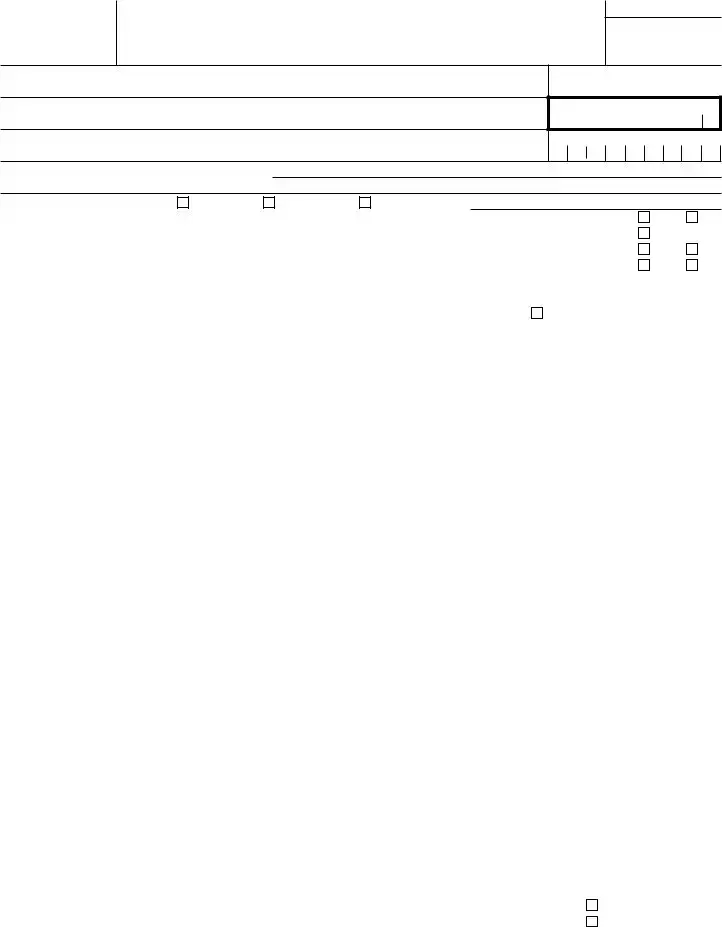
SCHEDULE C (Form 1040)
Department of the Treasury Internal Revenue Service (99)
Profit or Loss From Business
(Sole Proprietorship)
▶Go to www.irs.gov/ScheduleC for instructions and the latest information.
▶Attach to Form 1040,
OMB No.
2021
Attachment Sequence No. 09
Name of proprietor
APrincipal business or profession, including product or service (see instructions)
CBusiness name. If no separate business name, leave blank.
Social security number (SSN)
BEnter code from instructions
▶


DEmployer ID number (EIN) (see instr.)
EBusiness address (including suite or room no.) ▶
City, town or post office, state, and ZIP code
F |
Accounting method: |
(1) |
Cash |
(2) |
|
Accrual |
(3) |
Other (specify) ▶ |
|
|
|
|
|
|
|
||||||
G |
Did you “materially participate” in the operation of this business during 2021? If “No,” see instructions for limit on losses |
. |
Yes |
No |
|||||||||||||||||
H |
If you started or acquired this business during 2021, check here |
. . |
. . |
▶ |
|
|
|||||||||||||||
I |
Did you make any payments in 2021 that would require you to file Form(s) 1099? See instructions . . . |
. . |
. . |
. |
Yes |
No |
|||||||||||||||
J |
If “Yes,” did you or will you file required Form(s) 1099? |
. . |
. . |
. |
Yes |
No |
|||||||||||||||
Part I |
Income |
|
|
|
|
|
|
|
|
|
|
|
|
|
|
|
|
|
|
|
|
1 |
Gross receipts or sales. See instructions for line 1 and check the box if this income was reported to you on |
|
|
|
|
|
|||||||||||||||
|
Form |
. . . . . . . . . ▶ |
1 |
|
|
|
|
||||||||||||||
2 |
Returns and allowances |
2 |
|
|
|
|
|||||||||||||||
3 |
Subtract line 2 from line 1 |
3 |
|
|
|
|
|||||||||||||||
4 |
Cost of goods sold (from line 42) |
4 |
|
|
|
|
|||||||||||||||
5 |
Gross profit. Subtract line 4 from line 3 |
5 |
|
|
|
|
|||||||||||||||
6 |
Other income, including federal and state gasoline or fuel tax credit or refund (see instructions) . . . . |
6 |
|
|
|
|
|||||||||||||||
7 |
Gross income. Add lines 5 and 6 |
. . . . . . . . . |
. ▶ |
7 |
|
|
|
|
|||||||||||||
Part II |
Expenses. Enter expenses for business use of your home only on line 30. |
|
|
|
|
|
|
|
|||||||||||||
8 |
Advertising |
8 |
|
|
|
|
|
|
18 |
Office expense (see instructions) . |
18 |
|
|
|
|
||||||
9 |
Car and truck expenses (see |
|
|
|
|
|
|
|
19 |
Pension and |
19 |
|
|
|
|
||||||
|
instructions) . . . . |
9 |
|
|
|
|
|
|
20 |
Rent or lease (see instructions): |
|
|
|
|
|
||||||
10 |
Commissions and fees . |
10 |
|
|
|
|
|
|
a |
Vehicles, machinery, and equipment |
20a |
|
|
|
|
||||||
11 |
Contract labor (see instructions) |
11 |
|
|
|
|
|
|
b |
Other business property . . . |
20b |
|
|
|
|
||||||
12 |
Depletion |
12 |
|
|
|
|
|
|
21 |
Repairs and maintenance . . . |
21 |
|
|
|
|
||||||
13 |
Depreciation and section 179 |
|
|
|
|
|
|
|
22 |
Supplies (not included in Part III) . |
22 |
|
|
|
|
||||||
|
expense deduction |
(not |
|
|
|
|
|
|
|
|
|
|
|
||||||||
|
|
|
|
|
|
|
|
23 |
Taxes and licenses |
23 |
|
|
|
|
|||||||
|
included in Part III) (see |
|
|
|
|
|
|
|
|
|
|
|
|||||||||
|
instructions) . . . . |
13 |
|
|
|
|
|
|
24 |
Travel and meals: |
|
|
|
|
|
|
|
||||
14 |
Employee benefit programs |
|
|
|
|
|
|
|
a |
Travel |
24a |
|
|
|
|
||||||
|
(other than on line 19) |
. |
14 |
|
|
|
|
|
|
b |
Deductible meals (see |
|
|
|
|
|
|
|
|||
15 |
Insurance (other than health) |
15 |
|
|
|
|
|
|
|
instructions) |
24b |
|
|
|
|
||||||
16 |
Interest (see instructions): |
|
|
|
|
|
|
|
25 |
Utilities |
25 |
|
|
|
|
||||||
a |
Mortgage (paid to banks, etc.) |
16a |
|
|
|
|
|
|
26 |
Wages (less employment credits) |
26 |
|
|
|
|
||||||
b |
Other |
16b |
|
|
|
|
|
|
27a |
Other expenses (from line 48) . . |
27a |
|
|
|
|
||||||
17 |
Legal and professional services |
17 |
|
|
|
|
|
|
b |
Reserved for future use . . . |
27b |
|
|
|
|
||||||
28 |
Total expenses before expenses for business use of home. Add lines 8 through 27a |
. ▶ |
28 |
|
|
|
|
||||||||||||||
29 |
Tentative profit or (loss). Subtract line 28 from line 7 |
29 |
|
|
|
|
|||||||||||||||
30 |
Expenses for business use of your home. Do not report these expenses elsewhere. Attach Form 8829 |
|
|
|
|
|
|||||||||||||||
|
unless using the simplified method. See instructions. |
|
|
|
|
|
|
|
|
|
|
|
|
|
|||||||
|
Simplified method filers only: Enter the total square footage of (a) your home: |
|
|
|
|
|
|
|
|||||||||||||
|
|
|
|
|
|
|
|
|
|
|
|
|
|
|
|
||||||
|
and (b) the part of your home used for business: |
|
|
|
|
|
|
|
. Use the Simplified |
|
|
|
|
|
|||||||
|
Method Worksheet in the instructions to figure the amount to enter on line 30 |
30 |
|
|
|
|
|||||||||||||||
31 |
Net profit or (loss). Subtract line 30 from line 29. |
|
|
|
|
|
|
|
} |
|
|
|
|
|
|
||||||
|
• If a profit, enter on both Schedule 1 (Form 1040), line 3, and on Schedule SE, line 2. (If you |
|
|
|
|
|
|
||||||||||||||
|
checked the box on line 1, see instructions). Estates and trusts, enter on Form 1041, line 3. |
|
31 |
|
|
|
|
||||||||||||||
|
• If a loss, you must go to line 32. |
|
|
|
|
|
|
|
|
|
|
|
|
|
|
|
|||||
32 |
If you have a loss, check the box that describes your investment in this activity. See instructions. |
} |
|
|
|
|
|
|
|||||||||||||
|
• If you checked 32a, enter the loss on both Schedule 1 (Form 1040), line 3, and on Schedule |
|
|
|
|
|
|
||||||||||||||
|
SE, line 2. (If you checked the box on line 1, see the line 31 instructions.) Estates and trusts, enter on |
|
32a |
All investment is at risk. |
|||||||||||||||||
|
Form 1041, line 3. |
|
|
|
|
|
|
|
|
|
|
|
|
|
32b |
Some investment is not |
|||||
|
• If you checked 32b, you must attach Form 6198. Your loss may be limited. |
|
|
|
at risk. |
|
|
||||||||||||||
For Paperwork Reduction Act Notice, see the separate instructions. |
|
|
Cat. No. 11334P |
|
|
|
Schedule C (Form 1040) 2021 |
||||||||||||||
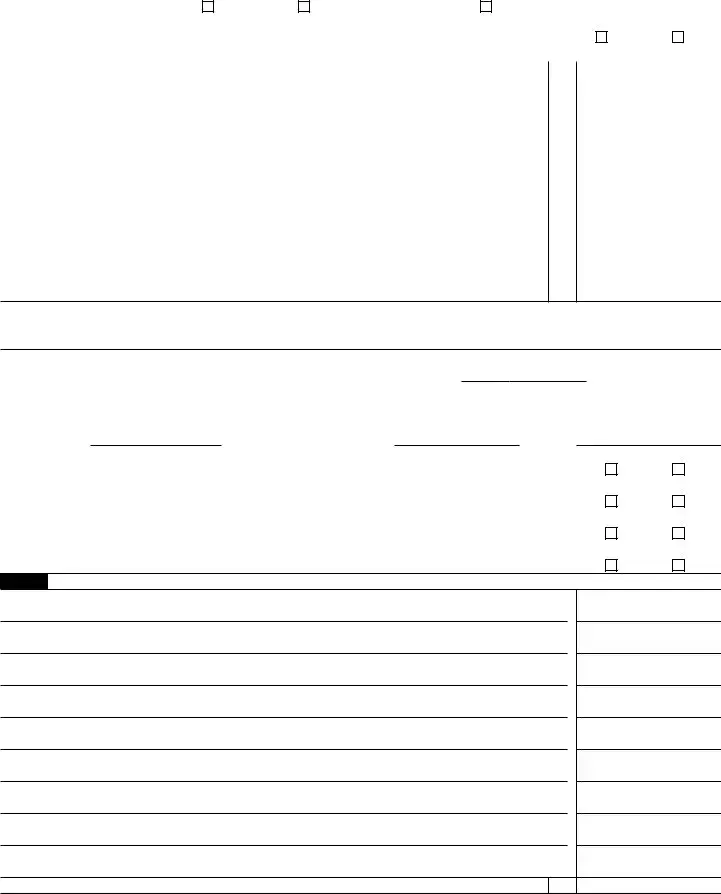
Schedule C (Form 1040) 2021 |
Page 2 |
|
Part III |
Cost of Goods Sold (see instructions) |
|
33 |
Method(s) used to |
|
|
|
|
|
|
|
value closing inventory: |
a |
Cost |
b |
Lower of cost or market |
c |
Other (attach explanation) |
34Was there any change in determining quantities, costs, or valuations between opening and closing inventory?
If “Yes,” attach explanation |
Yes |
No
35 |
Inventory at beginning of year. If different from last year’s closing inventory, attach explanation . . . |
35 |
36 |
Purchases less cost of items withdrawn for personal use |
36 |
37 |
Cost of labor. Do not include any amounts paid to yourself |
37 |
38 |
Materials and supplies |
38 |
39 |
Other costs |
39 |
40 |
Add lines 35 through 39 |
40 |
41 |
Inventory at end of year |
41 |
42 |
Cost of goods sold. Subtract line 41 from line 40. Enter the result here and on line 4 |
42 |
Part IV Information on Your Vehicle. Complete this part only if you are claiming car or truck expenses on line 9 and are not required to file Form 4562 for this business. See the instructions for line 13 to find out if you must file Form 4562.
43 |
When did you place your vehicle in service for business purposes? (month/day/year) |
▶ |
/ |
/ |
44Of the total number of miles you drove your vehicle during 2021, enter the number of miles you used your vehicle for:
a |
Business |
b Commuting (see instructions) |
c Other |
45 |
Was your vehicle available for personal use during |
||
46 |
Do you (or your spouse) have another vehicle available for personal use? |
||
47a |
Do you have evidence to support your deduction? |
||
b |
If “Yes,” is the evidence written? |
||
Yes
Yes
Yes
Yes
No
No
No
No
Part V Other Expenses. List below business expenses not included on lines
48 |
Total other expenses. Enter here and on line 27a |
48
Schedule C (Form 1040) 2021
Other PDF Templates
Annulment in Michigan Time Limit - The DCH-0838 is a key document for individuals going through divorce in Michigan.
Form I-134 Affidavit of Support - Additional documentation may be required to support the information provided.
The Employment Verification document is crucial for various formal processes, including loan approvals and employment assessments. For those seeking reliable guidance and templates related to this form, a helpful resource can be found at the essential guide to Employment Verification.
Dd 5960 - This form allows military personnel to seek justice regarding pay overcharges.
Documents used along the form
The IRS Schedule C form is an important document for self-employed individuals and sole proprietors, as it helps report income and expenses from a business. However, several other forms and documents are often used in conjunction with Schedule C to ensure accurate reporting and compliance with tax regulations. Below is a list of these documents, along with brief descriptions of their purposes.
- IRS Form 1040: This is the standard individual income tax return form used by U.S. taxpayers. Schedule C is filed as an attachment to Form 1040, reporting income or loss from a business.
- IRS Schedule SE: This form is used to calculate self-employment tax. If you earn more than a certain amount from self-employment, you must file this form to determine your tax liability.
- IRS Form 4562: This form is used to claim depreciation on business assets. If you purchase equipment or property for your business, you may need to report depreciation using this form.
- IRS Form 8829: This form allows you to claim expenses for the business use of your home. If you operate your business from home, you can report related expenses here.
- IRS Form 1099-MISC: This form is used to report payments made to independent contractors. If you pay someone for services, you may need to issue this form to report those payments to the IRS.
- IRS Form W-2: If you have employees, this form is used to report wages paid and taxes withheld. It is essential for reporting employee income and payroll taxes.
- IRS Form 1040-ES: This form is used to calculate and pay estimated quarterly taxes. Self-employed individuals often need to make estimated tax payments throughout the year.
- Release of Liability: A document ensuring that individuals are aware of potential risks involved in activities; to learn more about this crucial form, find the document here.
- State Tax Forms: Depending on your state, you may need to file additional tax forms specific to state income tax. Each state has its own requirements, so it's important to check local regulations.
- Business Licenses and Permits: These documents may be required to legally operate your business. Depending on your industry and location, you may need to obtain various licenses and permits.
- Receipts and Invoices: Keeping detailed records of all business transactions is essential. Receipts and invoices help substantiate income and expenses reported on Schedule C.
Understanding these additional forms and documents can help ensure that you accurately report your business income and expenses, comply with tax laws, and maximize your deductions. Staying organized and informed about these requirements is key to a successful tax filing process.
Similar forms
The IRS Schedule C (Form 1040) is closely related to the IRS Form 1065, which is used for partnerships. Both forms serve the purpose of reporting income earned from business activities. While Schedule C is designed for sole proprietors, Form 1065 captures the financial performance of multiple owners in a partnership. Each document allows for the reporting of business expenses, ensuring that all eligible deductions can be claimed to reduce taxable income. The similarities in structure and intent help both individuals and partnerships accurately reflect their earnings and expenses to the IRS.
Another document that shares similarities with Schedule C is the IRS Form 1120, which is utilized by corporations. Like Schedule C, Form 1120 is used to report income and expenses, but it specifically addresses the financial activities of a corporation. Both forms require detailed reporting of revenue, cost of goods sold, and various deductions. While the tax implications differ between sole proprietorships and corporations, the fundamental goal of accurately reporting financial data remains consistent across both forms.
The IRS Schedule C also resembles the IRS Schedule E (Form 1040), which is used for reporting income from rental properties, royalties, and partnerships. Both forms allow taxpayers to report income generated from business activities, although Schedule E focuses on passive income sources. Taxpayers may find that both forms require similar information regarding expenses and deductions. This alignment helps ensure that individuals can effectively manage and report their diverse income streams to the IRS.
Additionally, IRS Form 1040 itself is a foundational document that Schedule C complements. The 1040 form is the primary individual income tax return, where taxpayers report their overall income, including that from self-employment as indicated on Schedule C. Both forms work together to provide a complete picture of an individual's financial situation, ensuring that all income is accounted for and that appropriate taxes are calculated based on total earnings.
In the realm of estate planning, ensuring that your final wishes are recognized is paramount, which is where the Last Will comes into play. This vital legal document allows you to specify the distribution of your property and assets after your passing, thereby providing peace of mind to both you and your loved ones. Careful consideration when crafting this form can prevent future ambiguities and disputes, ensuring that your intentions are clearly conveyed and honored.
IRS Form 4835 is another document that shares similarities with Schedule C. This form is used to report income from farming or rental activities conducted by a non-owner. While Schedule C is for sole proprietors, Form 4835 is specifically designed for individuals who are not the owners but still earn income from farming or renting out land. Both forms require detailed reporting of income and expenses, highlighting the importance of accurately documenting financial activities in various contexts.
Lastly, IRS Form 941, the Employer's Quarterly Federal Tax Return, is similar in that it relates to business operations, particularly for those with employees. While Schedule C focuses on individual self-employment income, Form 941 is used to report payroll taxes withheld from employees’ wages. Both forms emphasize the need for accurate reporting of financial activities, although they cater to different aspects of business operations. Understanding the relationship between these forms can help business owners navigate their tax obligations more effectively.
Dos and Don'ts
When filling out the IRS Schedule C (Form 1040), it is essential to approach the process with care and attention to detail. Here are ten important dos and don’ts to consider:
- Do keep accurate records of all business income and expenses.
- Don't mix personal and business finances; maintain separate accounts.
- Do report all sources of income, including cash payments.
- Don't underestimate your expenses; ensure they are legitimate and well-documented.
- Do include all necessary information about your business structure.
- Don't forget to sign and date the form before submission.
- Do take advantage of deductions available to self-employed individuals.
- Don't overlook the importance of accurate calculations for net profit or loss.
- Do review the form for any errors before filing.
- Don't hesitate to seek professional help if you are unsure about any part of the form.
Key takeaways
Filling out the IRS Schedule C (Form 1040) is essential for self-employed individuals and sole proprietors. Here are some key takeaways to keep in mind:
- Understand the Purpose: Schedule C is used to report income or loss from a business you operated or a profession you practiced as a sole proprietor.
- Gather Your Records: Collect all relevant financial documents, including income statements, receipts, and expenses. Accurate records simplify the process.
- Report All Income: Include all income earned from your business activities. This includes cash, checks, and any other payments received.
- Identify Allowable Expenses: Familiarize yourself with what constitutes deductible business expenses. Common deductions include supplies, utilities, and travel costs.
- Keep Personal and Business Expenses Separate: Maintain distinct records for personal and business expenses to avoid confusion and ensure compliance.
- Use the Correct Accounting Method: Decide between cash or accrual accounting. Your choice will affect how you report income and expenses.
- Complete the Form Accurately: Fill out each section carefully. Mistakes can lead to delays or audits.
- File on Time: Ensure you submit your Schedule C by the tax deadline to avoid penalties and interest.
- Consider Professional Help: If your situation is complex, consulting a tax professional can provide valuable guidance.
- Review Annually: Each year, revisit your Schedule C to adapt to any changes in your business or tax laws.
By following these takeaways, you can navigate the Schedule C process with greater confidence and accuracy.
How to Use IRS Schedule C 1040
Completing the IRS Schedule C (Form 1040) is an important step for individuals reporting income from self-employment. This form allows you to detail your business income and expenses. Follow these steps carefully to ensure accurate completion.
- Gather necessary documents such as income statements, expense receipts, and any relevant financial records.
- Obtain the IRS Schedule C form from the IRS website or your tax preparation software.
- Begin by entering your name and Social Security number at the top of the form.
- Indicate your business name, if applicable, and your business address in the designated fields.
- Choose the appropriate business code that best describes your business activities. This code can be found in the instructions for Schedule C.
- In Part I, report your gross receipts or sales. Include all income earned from your business activities.
- Subtract any returns and allowances to determine your net income for Part I.
- Move to Part II to list your business expenses. Categorize expenses accurately, such as advertising, car and truck expenses, and supplies.
- Sum up your total expenses at the end of Part II.
- Calculate your net profit or loss by subtracting total expenses from gross income. Enter this figure in the designated area.
- If applicable, fill out the information for any other business-related deductions or credits in the following sections.
- Review the completed form for accuracy and ensure all fields are filled out correctly.
- Sign and date the form before submitting it with your tax return.
Once the form is completed, it is crucial to submit it along with your federal tax return. Keep a copy for your records, as it may be needed for future reference or audits.